
Zion Neighbor Sources by Block
The immediate block around a Zion address has several public layers, each answering a different question. The parcel viewer defines nearby land. The property roll adds the owner or tax-bill recipient for a selected lot. Recorded plats explain subdivision ties. Public meetings reveal civic activity. Historical directories may show former subscribers by house number. These sources should not be blended into a claim that a named owner is a current neighbor.
| Public Source | Block Detail Shown | How to Access It |
|---|---|---|
| Tax Parcel Viewer | Parcel shapes, address labels, lots, roads, subdivisions | Free visual map and click identification |
| Property tax record | Owner, billing address, situs, PIN, exemptions, transfers | Free individual web search |
| Recorded plats and declarations | Subdivision framework and named document parties | eSearch, older books, or recorder counter |
| Voter information | Limited individual status or a regulated list | Identity lookup or statutory county process |
| City boards and meetings | Civic contacts, petitions, and address-linked issues | City website or focused FOIA request |
| Historical directories | Past occupants or subscribers by street number | Library databases and genealogy help |
The strongest starting pair is the map and tax record. It is open, parcel-centered, and suited to a small number of individual checks. Utilities, deliveries, children, unlisted household members, and protected voters remain outside the method.
Map Zion Neighbors Parcel by Parcel
Open the Lake County Tax Parcel Viewer, find the target address or PIN, and zoom until lot lines and labels are clear. Select the starting polygon, then click each parcel that shares a boundary. Check across-street lots separately because a roadway breaks parcel contact. Lots, subdivisions, condominium layers, road centerlines, address labels, and rights-of-way help explain what is actually nearby.
- Find the known Zion address and confirm its PIN and map position.
- Click every parcel sharing a boundary with the target lot.
- Inspect parcels across each road as a separate neighbor group.
- Carry each PIN or exact address into the tax portal for owner details.
- Record owner and billing identity apart from any claim about an occupant.
The viewer supports find and identify operations, but it is a reference map rather than a survey. It cannot settle a boundary dispute. For a chain that continues along the full road, use the Zion street records walkthrough rather than expanding a block lookup beyond its purpose.
Note: A shared subdivision name can connect lots legally without making every parcel an immediate neighbor.
When Zion Owners Live Elsewhere
The Lake County Property Tax Information portal separates the property or situs address from the billing address. Situs is where the parcel sits. Billing is where the tax notice goes. If both match, owner occupancy is possible, and a qualifying homestead exemption can add support for the relevant tax year. Neither fact names every person in the household.
A different mailing destination may point to an owner who receives bills elsewhere, a trust, a company, a government body, or a management office. That person or entity should be described as the parcel owner or bill recipient, not automatically as one of the Zion neighbors. Renters and other household members are not comprehensively indexed in the tax roll.
| Official Record | What It Can Support | What It Cannot Prove |
|---|---|---|
| Matching situs and billing address | Owner may receive tax mail at the parcel | Every current occupant |
| Homestead exemption | Qualifying owner occupancy for that tax year | Names of family or other residents |
| Recorded deed | Legal ownership interest | Who sleeps at the address now |
| Directory listing | Listed subscriber at compilation time | A complete household today |
This owner-versus-occupant split is the central limit of a neighbor search. Keep the date beside every tax or directory fact because even a sound record can describe an earlier period.
Zion Neighbor Lookup and Voter Rules
The Illinois voter registration lookup lets an individual verify a registration using identity details. It is not a street-browse tool and should never be presented as a reverse directory for Zion neighbors. A successful check can return registration, polling, or election-jurisdiction information for the voter who supplies the required data.
Lake County voter lists are governed by election law rather than ordinary FOIA. Electronic person-level exports are limited to registered bona fide political committees or qualified government entities for political or government informational purposes under 10 ILCS 5/4-8, 5-7, and 6-35. The county requires purpose certification, selects districts and format, and charges a $10 setup fee plus $1 per thousand records rounded up. Commercial solicitation is prohibited.
Printed lists may be sorted in numeric street order through the lawful county channel, but the public cannot use the individual web form to browse a block. Participation history means that a ballot was issued in an election. It never shows ballot choices, and Illinois does not register voters by party in the same way as closed-primary states.
Zion Civic Neighbors, Not Rosters
No official umbrella directory of Zion neighborhood associations with public member lists was found. Do not invent one or assume that an HOA publishes resident names. Recorded declarations can establish a subdivision or association's legal framework, while city agendas, petitions, boards, commissions, and meeting records can identify public contacts and issues tied to a place.
Zion City Clerk
Municipal records and focused Illinois FOIA requests for boards, meetings, petitions, permits, or code matters.
Recording Division
Recorded plats, declarations, deeds, and other land instruments for a subdivision or parcel.
Zion-Benton Library
Historical directories, newspapers, obituaries, and scheduled local genealogy help.
The official City Clerk screen shows where municipal contact begins. The source page is useful when a neighborhood issue appears in city records.
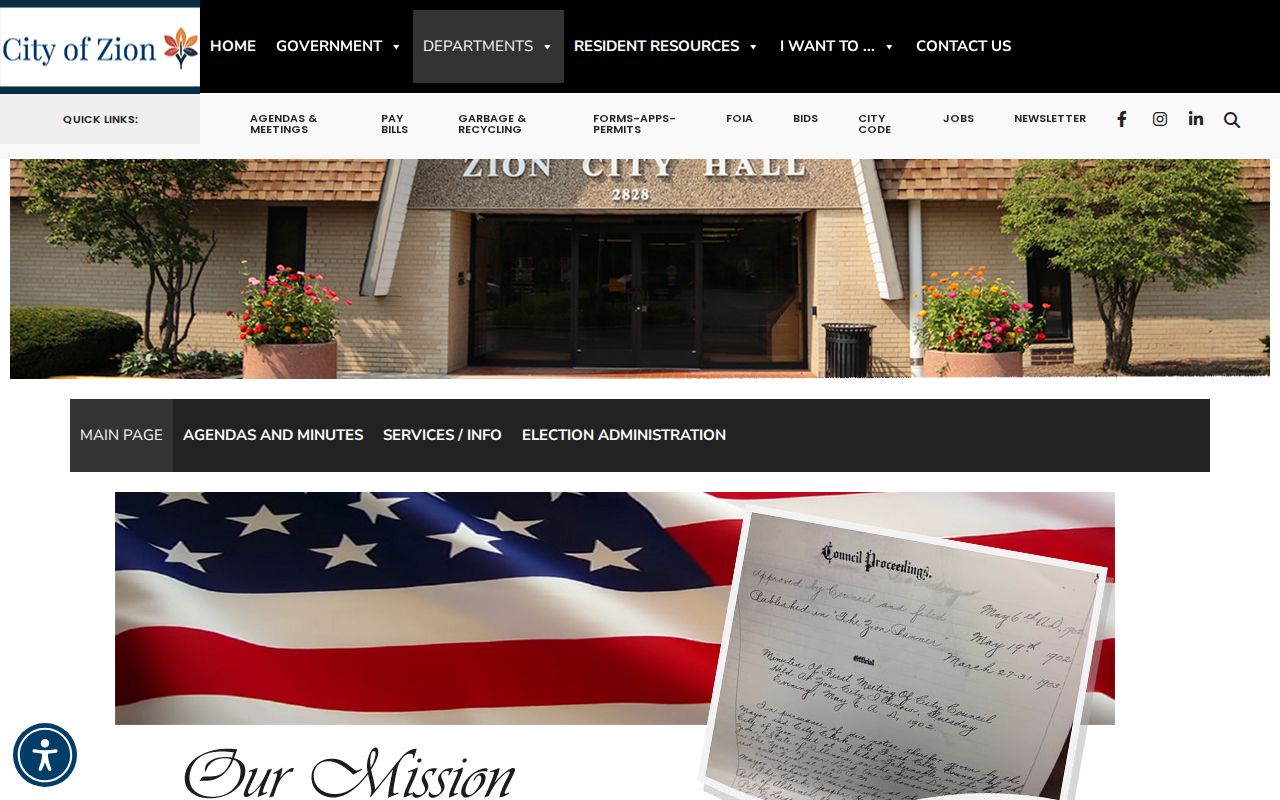
Use the published city contact to ask for a narrow record by subject, address, board, and date. A focused request is more useful than asking for a list of residents.
Official Zion Neighbor Records Compared
Commercial neighbor tools merge purchased, scraped, and inferred data. Official sources are narrower, but each fact has a named custodian and a defined record purpose. That difference matters when two people share a name or an old address remains attached to a person. A commercial result may be a lead, never proof.
| Feature | Official Lake County or Zion Record | Commercial Neighbor Category |
|---|---|---|
| Source trail | Named public custodian and record date | Often blended from several feeds |
| Parcel boundaries | County map and recorded plat | May use generalized map data |
| Occupancy claim | Usually not established by parcel records | May infer a resident from stale links |
| Correction | Return to the office that holds the record | Use the provider's suppression or correction process |
Check the PIN, legal description, record date, and official image before relying on a match. Never automate extraction from the county tax portal; its notice bars automated mining. Individual parcel review also keeps the inquiry tied to the immediate block.
Limited Zion Public Safety Records
A block search should not turn into broad surveillance. When a specific, lawful safety question exists, use the proper official record and read its warnings. The Lake County Sheriff inmate locator concerns current county custody, not everyone with a Zion address and not a complete court history.
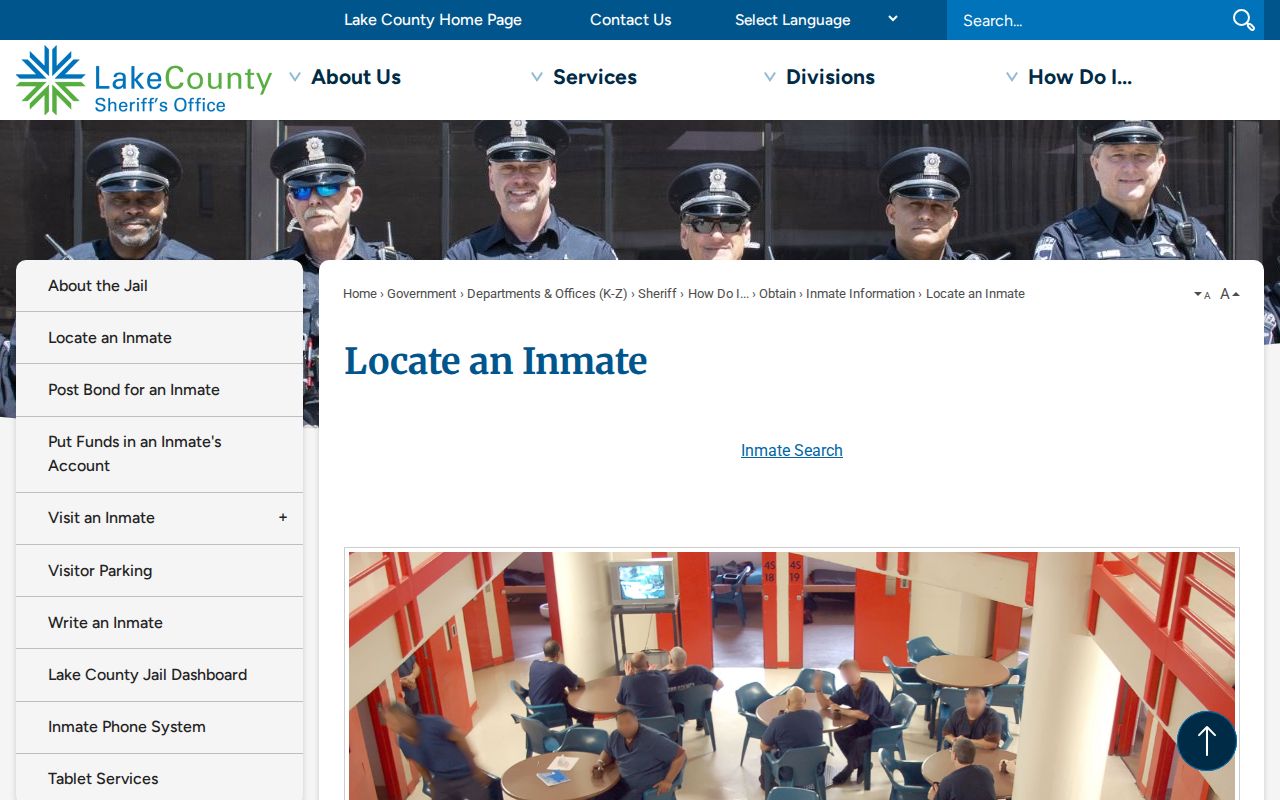
The locator's limited scope is a useful reminder: custody status, court disposition, property ownership, and present residence are different facts. Confirm a court matter through the Circuit Clerk and do not attach a custody result to an address without a verified link.
For immediate danger, use emergency services. Public record browsing is not a substitute for reporting a threat, and registry or custody information may carry statutory limits against misuse or intimidation.
Protect Private Zion Neighbors
Utility accounts, delivery records, private membership lists, children's identities, and unlisted household members are not public neighbor directories. Illinois vital certificates are restricted by the Vital Records Act. Driver and vehicle address data is limited by the federal Driver's Privacy Protection Act. Juvenile, adoption, sealed, and expunged court material is excluded or restricted.
The Illinois Attorney General's Address Confidentiality Program gives eligible survivors a substitute address and mail forwarding. The official confidentiality program page explains that safeguard.
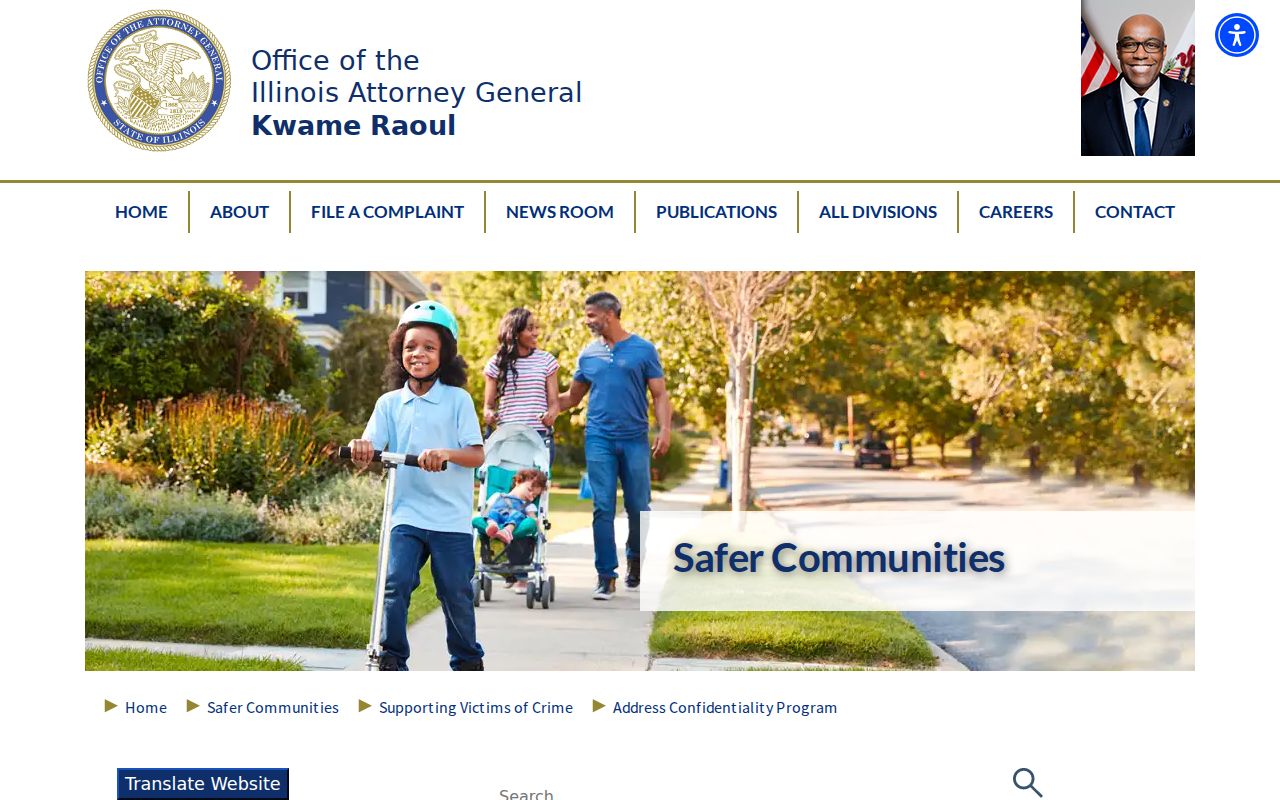
A substitute address is a boundary, not a puzzle to solve. Do not reconstruct a protected household by cross-referencing voter, parcel, directory, or meeting records.
Lawful use. Use neighbor records for civic awareness, reconnection, or personal safety. Never watch, intimidate, harass, or expose anyone.